Vikki
Vikki
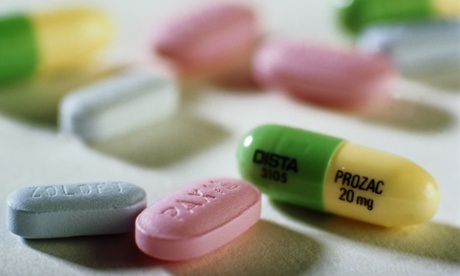
As this blog has stated repeatedly, an individual with a psychological difficulty should use medication only if it’s absolutely necessary because of the many side effects they produce. If you’re someone who has, or is presently using “antidepressants”, feel free to anonymously contribute your experience for The Guardian online survey*. Doctors are welcome to participate in this survey as well, and give their expertise on the subject.
Mental health is a global issue. Thus, every region should participate.
*Must be over sixteen years of age.
Vikki
As mentioned earlier on this blog, when a person has a “drug addiction”, they automatically have a mental health issue. We should also understand that when parents bring others into their lives, they automatically bring these individuals into their children’s lives. Thus, when parents are addicted to illegal drugs, they have unwittingly engaged in child abuse. Drug dealers aren’t pillars of society, and could bring harm to the children of their clients.
Vikki
There are always new illegal drugs every generation, and “Krokodil” is yet another. But this drug is more hideous than the usual ones because it’s extremely addictive, resulting in gangrene, amputations, and worse.
Vikki
Suggestions are:
1. The American Psychological Association performs tremendous work. And when members think out of the box in bringing positive mental health results for the patient, those ideas deserve emulating. However, there’s always room for improvement (i.e., ceasing to engage in illogical arguments/practices/agendas).
2. Pursuing corporate investors for funding.
3. Increase of neighborhood mental health clinics.
4. Additional group homes for patients as they make the transition from a psychiatric hospital stay before returning to their permanent residence.
5. Aggressive marketing for Public Service Announcements (PSA’s) throughout the various media platforms to de-stigmatize mental health.
6. Hiring additional social workers to deepen ties with the psychological community, and as safety nets for patients from falling through cracks within the bureaucracy.
7. Psychological outreach for routine workshops in K-12, houses of worship, and universities, providing literature with local resources available.
*Women and underage females alike.
Vikki
It has to be reiterated that most people diagnosed with a psychiatric illness pose no danger to others, or themselves. The majority of this population desire a well-adjusted mental health. As positive as that reality is, we have to understand various causations in that small percentage who do become dangerous. It’s an unpleasant subject many refuse to look at, with several media pundits unwilling to have honest discussions, talking around the issue as though if it’s left out of the conversation no one will notice. However, until society does focus on “mental” instability and “dangerousness”, the world won’t see a reduction of this brand of criminality. The following are several items which deserve analysis.*
Conclusion
A safer world becomes prevalent only when an honest dialogue about mental health begins, with additional entities becoming more involved, instead of believing it’s someone else’s problem.
*There are always unknown causations waiting to be discovered.
**Not every dangerous person has a mental illness.
Vikki
It would be comforting if we could say that we liked each family member. Unfortunately, there are always a few with unpleasant personalities. Some could be duplicitous, monopolize conversations, insensitive, always looking for an argument, ruining family gatherings and other activities. How do we handle situations?
On the surface it would appear juvenile to ask the organizer of an event if a particular relative was attending to avoid them. We may even behave covertly: Who’s invited? However, we have to discern if the event is worth bypassing to avoid unpleasantness, or a celebration for a relative we love dearly which allows us to overlook potential difficulties.
We also have to ask ourselves what role we play within the family structure. Examples are:
Peacemaker. Understands each personality among family members and works behind the scenes, speaking with troublesome relatives, warning them to be on their best behavior. They’re unafraid to rein them in, if necessary.
Lifeguard. Saving members when a relative gets beside themselves: You attended the museum recently. Tell me all about it about it (as they escort the offended party out of the room).
Distraction Expert. Prevents a negative conversation from brewing: I found the most amazing sales! I’ll show you on the Internet.
Comic. Reduces tension in the air, disarming unkind relatives in their tracks.
These members can work in concert to prevent situations from getting out of hand.
Conclusion
We can’t avoid difficult relatives forever. Being around them gives us practice for self-government, emotional maturation, and emotional intelligence when dealing with challenging personalities in general. However, if certain family members are way too extreme in the problems they cause, the best solutions are excluding them from family gatherings, not seeking them out independently hoping they’ve finally modified behaviors, and ignoring potential fallout.
Vikki

It’s exciting to hear about therapists who expand the psychological discipline! In her article for the American Psychological Association (APA), Tori DeAngelis discusses how the science is evolving to advance patient quality of life with exercise-talk therapy. Sessions held in the great outdoors can be an alternative for patients who feel confined within the typical office environment.
Vikki
Observing, asking questions, and taking blood pressure don’t go far enough when a mental health professional has a new patient. As a result, many can be diagnosed with psychiatric conditions where none exist, and prescribed medicine unnecessarily. Let’s take a look at other assessments worthy to include.
Ongoing Discussions About Healthier Food Selections
Sodium may be the culprit for mood swings and depression because the patient is consuming unhealthy amounts of processed foods, soda, junk food, beef, and pork products. The patient suffering from anger management issues will especially have difficulties because the foods are aggravating the condition. Sugars can be another problem. In children who may have developed a sudden personality change, fruit juices (ex. orange, pineapple, cranberry) may be too sweet for developing brains. In some adults, brain chemistry cannot support certain sugars which can result with their experiencing symptoms associated with psychiatric difficulties.
The patient with sleeping difficulties and headaches may need look no further than their morning beverage to find the source of their problems. Caffeine is found in coffee and tea and nurtures a host of body ailments.* All of us have blood vessels throughout our bodies. After caffeine consumption, vessels become compressed making it difficult for blood flow. This pressure causes headaches, upper and lower backaches, pinched nerve and bunion flare-ups. Also, a patient may inform the clinician they have panic attacks because of nervousness and heart palpitations confronting them on a regular basis. These symptoms could originate from caffeine.
Daily consumption of 4 – 5 tall glasses of water is an important ritual to flush out impurities which may have backed up in the system.
B-12 Vitamin Supplements
Even if caffeine overconsumption isn’t a problem for the patient experiencing nervousness, they can anticipate symptom reduction from daily B-12 usage because the vitamin regulates the nervous system. Helping the body’s metabolism during weight loss programs, and maintaining the smaller body frame, is an added benefit when including B-12.
Magnetic Resonance Imaging (MRI)
An MRI can indicate whether a patient is suffering from tumors and other abnormalities which could be either masking as a psychiatric condition, or creating lesser mental health difficulties (bottom-up causation). For the patient who was already prescribed medicine, it’s no wonder pills aren’t working.
Blood testing
This assessment can tell a mental health worker if a sexually transmitted disease (ex. syphilis) is causing symptoms associated with schizophrenia, or other psychiatric difficulties.
Conclusion
When additional assessments are exhausted before the clinician writes out prescriptions, many patients can forego side affects which medications deliver.
*Caffeine is also found in soda and cocoa (chocolate) products.
Vikki
A belief remains in society that high “self-esteem” equates to healthy ego. Let’s correct that notion. The individual with healthy self-esteem thinks positively because they view themselves as a work in progress. At the other end of the spectrum, the individual with high self-esteem thinks negatively because they view themselves an embodiment of perfection. And that’s unrealistic.
Vikki

