Repairing A Broken Mental Health System
Suggestions are:
1. The American Psychological Association performs tremendous work. And when members think out of the box in bringing positive mental health results for the patient, those ideas deserve emulating. However, there’s always room for improvement (i.e., ceasing to engage in illogical arguments/practices/agendas).
- Going before the US Supreme Court and stating that underage females are responsible enough in obtaining abortions without parental consent. If this argument was truly valid, underage females wouldn’t require abortions because they would have prevented the pregnancies from occurring.
- A female* may experience psychological difficulties after her first abortion when she has a history of mental health problems. Actually, a female may experience psychological difficulties after an initial abortion because of hormonal changes, even if she doesn’t have prior mental health issues. Any prior mental health difficulties are exacerbated after having that first abortion.
- Removing PTSD in the DSM-5 as an anxiety disorder and stating that the condition is merely associated with anxiety. After further consideration on the subject, I can’t help but ask What were they thinking?
2. Pursuing corporate investors for funding.
3. Increase of neighborhood mental health clinics.
4. Additional group homes for patients as they make the transition from a psychiatric hospital stay before returning to their permanent residence.
5. Aggressive marketing for Public Service Announcements (PSA’s) throughout the various media platforms to de-stigmatize mental health.
6. Hiring additional social workers to deepen ties with the psychological community, and as safety nets for patients from falling through cracks within the bureaucracy.
7. Psychological outreach for routine workshops in K-12, houses of worship, and universities, providing literature with local resources available.
*Women and underage females alike.
Vikki
A Dangerous Mental Health Condition**
It has to be reiterated that most people diagnosed with a psychiatric illness pose no danger to others, or themselves. The majority of this population desire a well-adjusted mental health. As positive as that reality is, we have to understand various causations in that small percentage who do become dangerous. It’s an unpleasant subject many refuse to look at, with several media pundits unwilling to have honest discussions, talking around the issue as though if it’s left out of the conversation no one will notice. However, until society does focus on “mental” instability and “dangerousness”, the world won’t see a reduction of this brand of criminality. The following are several items which deserve analysis.*
- Sudden Stoppage of Medication. A lion pouncing on someone when it hasn’t eaten for a few days. It’s analogous to the patient who may become dangerous when they suddenly stop taking medication. These pills are strong and take several weeks to gain traction to reduce symptoms associated with the condition. Thus, it’s a shock to the brain when the medication is no longer in the system, which may result with the patient spinning out of control mentally. If they wish to cease taking medication, they should inform the psychiatrist to gradually receive lesser dosages over a period of time, until they are no longer on the psychotropics.
- Lack of Guardian. Families have to take the initiative in getting a conservatorship when they believe a member is irresponsible in caring for their mental health. The patient has to report to this guardian on a daily basis before proceeding with usual activities. It’s a form of neglect, regardless the age of the patient, to allow them to enter society with an unprepared mental health.
- Alcohol, Illegal Drugs p. 1. A patient is setting themselves up for a mental thunderstorm when combining these substances with their mental health condition whether they’re using psychotropics, or not.
- Alcohol, Illegal Drugs, p. 2. The individual who begins with a healthy psychology, then starts abusing these substances, automatically has a mental illness, even if they don’t have schizophrenia, mood disorders, and other psychiatric conditions associated with a chemical breakdown from using drugs.
- Lack of Positive Coping Mechanisms. This skill set is important for everyone, especially the patient who has to remember that disappointments are a part of life.
- Ordinary Citizens. Failing to call the police when they observe someone they wholeheartedly believe may pose a danger to society. Even if police can’t do anything: We have to wait until something actually happens, there’s a paper trail about the individual they can refer to.
- Deep-Brain Injury. An individual could begin with a healthy psychology, then experiences a deep-brain injury. Not everyone in this category is dangerous, although some may result with a level of dangerousness (i.e., ASPD Level 2). They have to be monitored on a regular basis with a host of evaluations because of personality changes.
- A Blow to the Head, but not Deep-Brain Injury. A patient may experience personality changes, temporarily, which have to be monitored on a regular basis with a host of evaluations.
- Congenital Brain Malfunction. The individual has to be supervised on a regular basis by family (i.e., conservatorship), psychiatrists, and physicians.
- The Lack of Workplace Personality Assessments. The employer who refuses this instrument for the pre-employment screening could face unbelievable liability.
- The Psychological Board. A compulsory standard Duty to Protect and Duty to Warn doctrines are required in all states and districts, instead of both doctrines in some regions, one or the other in separate regions, and the incredibly vague language nurturing confusion.
- The Clinician. If they fail in whatever current Duty to Protect/Duty to Warn responsibilities, they have created a series of events they will regret forever.
- Police Officers. Most are a community’s best friend! They have incredible challenges which couldn’t have been recognized when joining the Police Force because of increased responsibilities. An officer never wants to pull the trigger unless it’s absolutely necessary, and most never fire their guns. They wish to return to their families at the end of an exhausting day. However, if an officer fails to respond when the clinician informs them in their Duty to Warn capacity, they should turn in their badge and find a different area of employment.
Conclusion
A safer world becomes prevalent only when an honest dialogue about mental health begins, with additional entities becoming more involved, instead of believing it’s someone else’s problem.
*There are always unknown causations waiting to be discovered.
**Not every dangerous person has a mental illness.
Vikki
Those Relatives
It would be comforting if we could say that we liked each family member. Unfortunately, there are always a few with unpleasant personalities. Some could be duplicitous, monopolize conversations, insensitive, always looking for an argument, ruining family gatherings and other activities. How do we handle situations?
On the surface it would appear juvenile to ask the organizer of an event if a particular relative was attending to avoid them. We may even behave covertly: Who’s invited? However, we have to discern if the event is worth bypassing to avoid unpleasantness, or a celebration for a relative we love dearly which allows us to overlook potential difficulties.
We also have to ask ourselves what role we play within the family structure. Examples are:
Peacemaker. Understands each personality among family members and works behind the scenes, speaking with troublesome relatives, warning them to be on their best behavior. They’re unafraid to rein them in, if necessary.
Lifeguard. Saving members when a relative gets beside themselves: You attended the museum recently. Tell me all about it about it (as they escort the offended party out of the room).
Distraction Expert. Prevents a negative conversation from brewing: I found the most amazing sales! I’ll show you on the Internet.
Comic. Reduces tension in the air, disarming unkind relatives in their tracks.
These members can work in concert to prevent situations from getting out of hand.
Conclusion
We can’t avoid difficult relatives forever. Being around them gives us practice for self-government, emotional maturation, and emotional intelligence when dealing with challenging personalities in general. However, if certain family members are way too extreme in the problems they cause, the best solutions are excluding them from family gatherings, not seeking them out independently hoping they’ve finally modified behaviors, and ignoring potential fallout.
Vikki
A Natural Fit
It’s exciting to hear about therapists who expand the psychological discipline! In her article for the American Psychological Association (APA), Tori DeAngelis discusses how the science is evolving to advance patient quality of life with exercise-talk therapy. Sessions held in the great outdoors can be an alternative for patients who feel confined within the typical office environment.
Vikki
Patient Evaluation: Logistics
Observing, asking questions, and taking blood pressure don’t go far enough when a mental health professional has a new patient. As a result, many can be diagnosed with psychiatric conditions where none exist, and prescribed medicine unnecessarily. Let’s take a look at other assessments worthy to include.
Ongoing Discussions About Healthier Food Selections
Sodium may be the culprit for mood swings and depression because the patient is consuming unhealthy amounts of processed foods, soda, junk food, beef, and pork products. The patient suffering from anger management issues will especially have difficulties because the foods are aggravating the condition. Sugars can be another problem. In children who may have developed a sudden personality change, fruit juices (ex. orange, pineapple, cranberry) may be too sweet for developing brains. In some adults, brain chemistry cannot support certain sugars which can result with their experiencing symptoms associated with psychiatric difficulties.
The patient with sleeping difficulties and headaches may need look no further than their morning beverage to find the source of their problems. Caffeine is found in coffee and tea and nurtures a host of body ailments.* All of us have blood vessels throughout our bodies. After caffeine consumption, vessels become compressed making it difficult for blood flow. This pressure causes headaches, upper and lower backaches, pinched nerve and bunion flare-ups. Also, a patient may inform the clinician they have panic attacks because of nervousness and heart palpitations confronting them on a regular basis. These symptoms could originate from caffeine.
Daily consumption of 4 – 5 tall glasses of water is an important ritual to flush out impurities which may have backed up in the system.
B-12 Vitamin Supplements
Even if caffeine overconsumption isn’t a problem for the patient experiencing nervousness, they can anticipate symptom reduction from daily B-12 usage because the vitamin regulates the nervous system. Helping the body’s metabolism during weight loss programs, and maintaining the smaller body frame, is an added benefit when including B-12.
Magnetic Resonance Imaging (MRI)
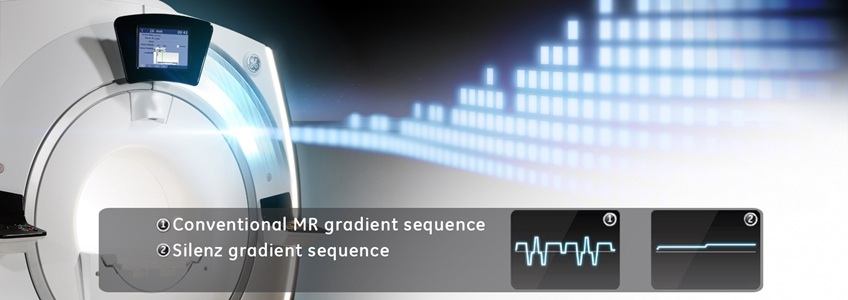
An MRI can indicate whether a patient is suffering from tumors and other abnormalities which could be either masking as a psychiatric condition, or creating lesser mental health difficulties (bottom-up causation). For the patient who was already prescribed medicine, it’s no wonder pills aren’t working.
Blood testing
This assessment can tell a mental health worker if a sexually transmitted disease (ex. syphilis) is causing symptoms associated with schizophrenia, or other psychiatric difficulties.
Conclusion
When additional assessments are exhausted before the clinician writes out prescriptions, many patients can forego side affects which medications deliver.
*Caffeine is also found in soda and cocoa (chocolate) products.
Vikki
Have a Beautiful Labor Day Weekend!
Self-Esteem
A belief remains in society that high “self-esteem” equates to healthy ego. Let’s correct that notion. The individual with healthy self-esteem thinks positively because they view themselves as a work in progress. At the other end of the spectrum, the individual with high self-esteem thinks negatively because they view themselves an embodiment of perfection. And that’s unrealistic.
Vikki
Well…
A dialogue on mental health can be addressed from numerous perspectives. We should always indicate that we feel badly for individuals experiencing psychological difficulties. But we’re not expressing ourselves totally if we fail to acknowledge how some of those behaviors affect others. This post is meant to rectify that omission.
Psychology is everywhere and especially in the workplace. After spending so many hours together on a weekly basis, it’s difficult not to observe the varied behaviors. Positive attitudes are a must for every level of an organization. And there’s never enough of them. Unfortunately, there are workers with negative mental default buttons. If we’re completely honest, they take air out of a room. Those behaviors leave us shaking our heads in disbelief, wincing with pain, and with nerves worn out. Some of the issues we may observe are:
- Anger Management Difficulties
- ASPD (First Level)
- Toxic Complainers
- Mercurial (not BPD)
- Nosey-Parkers (this isn’t a mental health issue, per se, but it’s troublesome behavior)
- Rigid Thinkers (unbeknownst to them, they’re setting themselves up for anxiety disorders)
And we can’t leave out NPD. Each one of us have known, or knows, individuals with this condition. Which brings us to someone we’ll refer to as Sebastian to protect his identity. He was a new peer. Twenty-six years old, Vice President, brainy and demonstrated his proficiencies. All of us liked him, until he shot himself in the foot. And kept shooting. The following is a series of events.
- Periodically throughout the year, meetings were held for new hires. Each was introduced and spoke briefly about work experiences and personal interests. Sebastian indicated he was champing at the bits to bring value to the firm, addressed skills, and how much he couldn’t wait to work with everyone. Then, he made derogatory comments about his former company.
- “How’s everyone doing?” There was none of that. He didn’t believe in greeting people at work, not even the boss. “Let’s go to lunch and discuss the new project.” It didn’t happen. “I play golf on the weekends. Come.” He never said it. Sebastian wasn’t interested in getting along with anyone at work. He lacked people skills.
- The organization provided on-site Professional Development every quarter. He was in one of the sessions a few weeks after his arrival. All of us were excited about the program as we filled into the training facility. That excitement quickly dissipated, however. Sebastian interrupted the trainer repeatedly, gave his thoughts and experience, corrected the instructor, with the rest of us interrupting him to be quiet.
- None of us knew what exactly occurred. There was a heated conversation in the hallway between Sebastian and the Human Resource Director, with the latter advising the former, Cool it! The Director had a laid-back personality, and we hadn’t ever seen his feathers ruffled until this incident.
- There was nothing inappropriate about Sebastian having time off for external professional development. Others were granted similar permission. It was his bragging as though he had a sense of entitlement which was inappropriate.
Conclusion
Sebastian reminds me of a classmate in grade school. He couldn’t govern himself an hour before he was sent down to the principal’s office.
A lighter touch, fragrance of humor, modifying the ego, all could have assisted him greatly before he completed his first employment application.
Did he see it coming that Friday morning when he was introduced to his replacement?
Vikki
Redwood Forest HD Nature Relaxation Video Just Nature Sounds
I hope you enjoy the video. Talk with you soon.
Vikki


You must be logged in to post a comment.