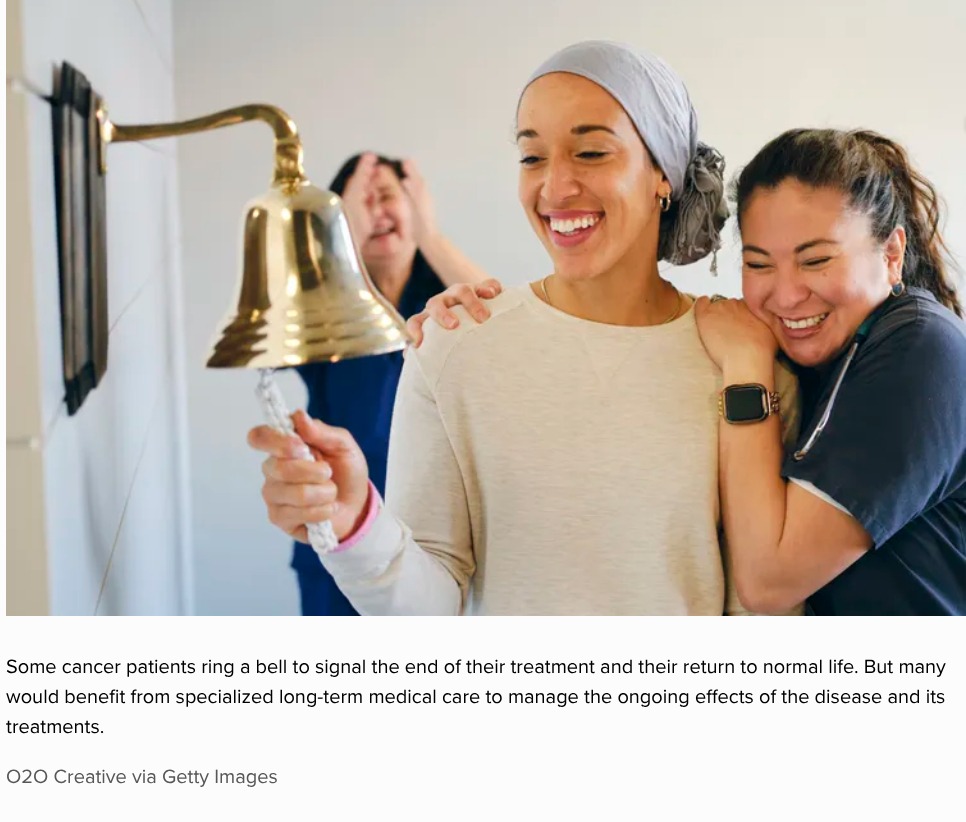
The number of cancer survivors is growing exponentially (National Cancer Institute, 2026). Thus, a need for narrowing communications between primary care physicians and oncologists is important (Butcher, 2026) to meet the needs of this growing population. It’s essential that cancer survivors have a “comprehensive strategic” managed care (survivorship care plan) in order to avoid experiencing additional illnesses, such as cancer that has metastasized in other parts of their body. Butcher (2026) indicated that, “Cancer survivors have a 42 percent higher rate of developing cardiovascular disease than people who never had cancer, for example, and they have higher rates of pain, insomnia, and psychosocial distress. Survivorship care includes identifying and managing these side effects, which can be long-lasting and difficult to treat.”
According to the National Cancer Institute (2026), it’s imperative that primary care physicians and oncologists converge when treating cancer survivors. Thus, primary care physicians and oncologists have equal responsibilities for the health of their patients.
Butcher (2026) reported that while the Cleveland Clinic and other medical facilities in America are making strong efforts in bringing these entities together and providing survivorship care plans,
“…the nationwide story on survivorship care plans is not good. Only 36 percent of cancer patients who complete treatment receive such a plan, according to the 2025 survey of survivors. To improve that record, Cancer Nation, the advocacy organization, is pushing Congress to pass the Comprehensive Cancer Survivorship Act and the Cancer Care Planning and Communications Act, which would require Medicare to pay health care providers for creating survivorship plans and coordinating with other clinicians to ensure survivors get the care they need.”
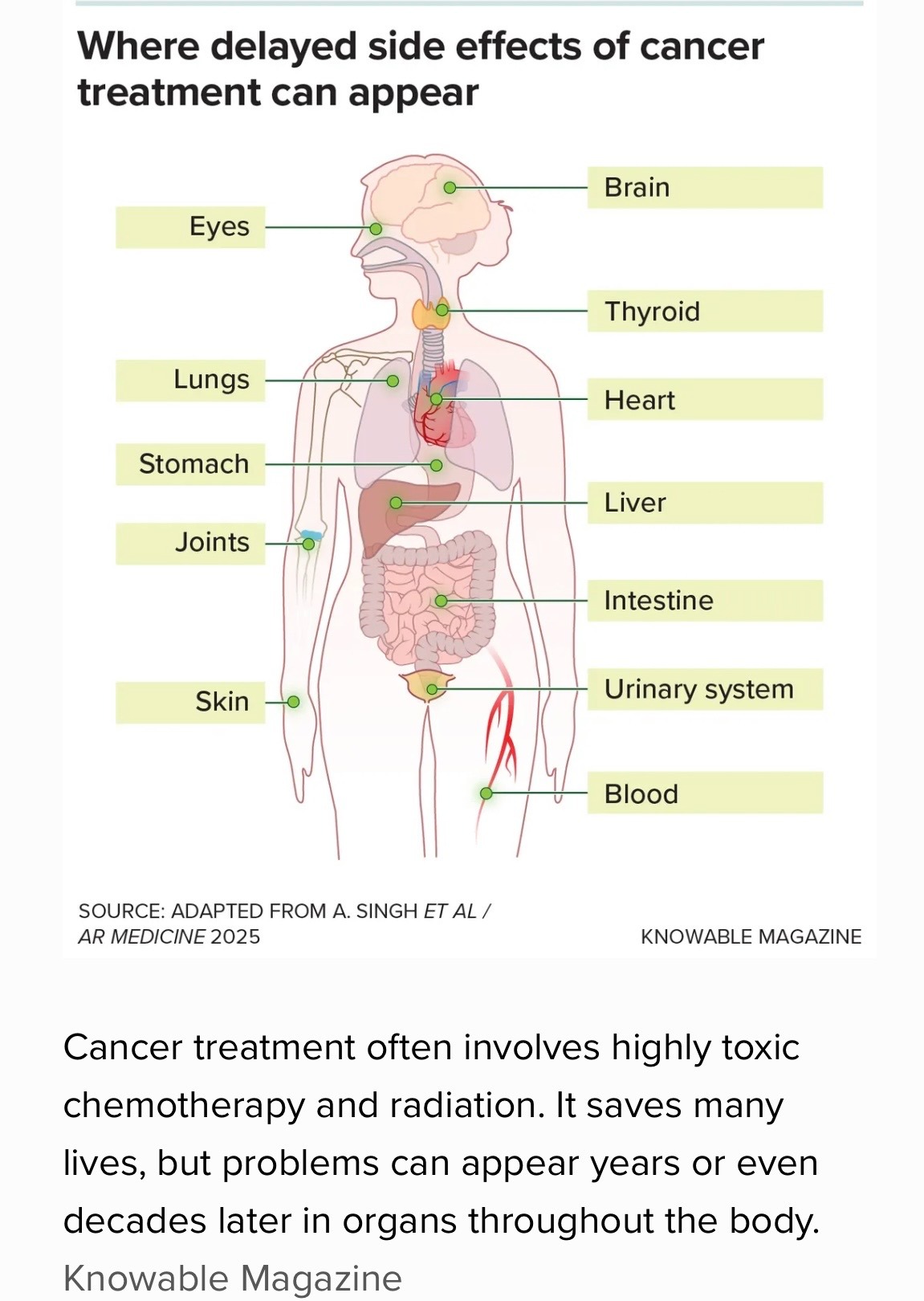
The following illustration is another example of why primary care physicians and oncologists need to work in concert on behalf of their cancer patients:
Vikki
References
Butcher, L. (2026). Cancer Survivors Are Living Longer But Still Have Complex Needs. That’s Why Doctors And Advocates Want Post-Treatment Care Plans. Retrieved From https://www.smithsonianmag.com/science-nature/cancer-survivors-are-living-longer-but-still-have-complex-needs-thats-why-doctors-and-advocates-want-post-treatment-care-plans-180988629/
National Cancer Institute. (2026) Primary Care And Cancer Survivorship. Retrieved From https://cancercontrol.cancer.gov/ocs/special-focus-areas/primary-care-and-cancer-survivorship
 Victoria Sutton's Psychology Blog