I haven’t had a chance to take any photographs this month, so I thought I’d post some of my Autumn pictures from last year.





Vikki
I haven’t had a chance to take any photographs this month, so I thought I’d post some of my Autumn pictures from last year.
Vikki
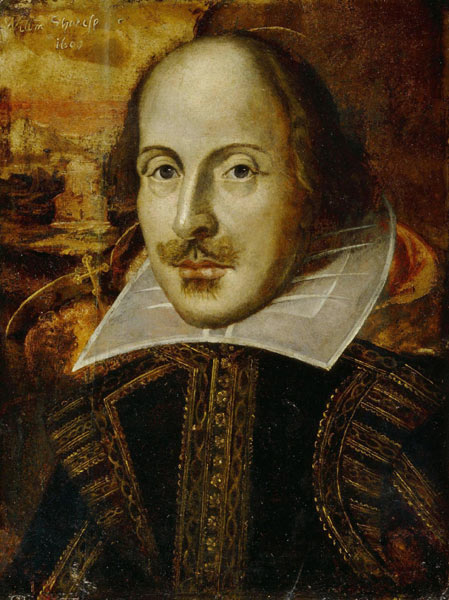
It’s a process:
The child who once thought reading was boring, uninspiring, will develop a fondness for books after they’ve read Shakespeare, or viewed a production. Reading The Bard’s beautiful language will reinforce in them to enunciate words properly. If they’re introverted, they’ll stand out in English class reciting lines with enthusiasm. Parents can incorporate readings on fun nights at home with family members and friends participating. Joining school organizations, gaining friends, will create new socializing opportunities for a child.
Even if they remain a tad shy, it’s an endearing quality. Their cognition, self-esteem, and confidence will expand, leading to new social skills. They’ll become more outgoing which they can carry throughout their adult years.
Vikki
Warning: The third video contains graphic images.
Social Psychology is defined, “…as the scientific field that seeks to understand the nature and causes of individual behavior and thought to social situations” (Baron, Byrne, and Branscombe, 2006). Organizing a luncheon with friends and going along (conformity) with the majority of the group’s preferred restaurant; emulating dangerous activities viewed on television (negative conformity); whether co-workers get along, or have conflicts; persuading a potential client to enter a business venture; having the mindset (stereotype) that beautiful people are automatically good people, and comparing ourselves with others to learn if a reality is true (social comparison) are some of the examples and concepts involving social psychology.
Dr. Milgram was a major contributor to Social Psychology, and his work greatly influences the discipline in contemporary society. You’ll see his famous experiment shortly. Additional information about him and his work can be found right here.
Pay close attention to the body language of the young man described in the video before he answers questions, especially the last one. He may have experienced cognitive dissonance (competing thoughts resulting in psychological distress).
How many times over the decades have we emulated behavior in similar fashion?
And here is Dr. Milgram’s famous experiment. Before viewing, it has to be noted that no one was harmed in this study. Dr. Milgram’s contraption emitted no electronic shocks whatsoever. The experiment was to understand if participants were willing to harm others based on orders of authority.
Commentary
Negative Obedience. The next time we hear about someone who engaged in deadly activity as part of a gang initiation, teachers complying with orders from the head of a school district to inflate grades, employees jumping into lockstep with their project manager to lie about the dangers of a new product soon to go on the market, and other related items we hear about in the media these days, we can remember Dr. Milgram showed us that some people will comply in behaviors which goes against conscience and societal mores.
Reference
Baron, R. A., Byrne, D., & Branscombe, N. R. (2006). Social Psychology. (11th ed.). MA: Pearson Education, Inc.
Vikki

Neuroscience News stated that “Meniere’s Disease” is a,
“… disabling disorder resulting in repeated violent attacks of dizziness, ringing in the ear and hearing loss that can last for hours and can ultimately cause permanent deafness in the affected ear. Up until now, the cause of the attacks has been unknown, with no theory fully explaining the many symptoms and signs of the disorder.”
The research indicates that millions of individuals can look forward to relief based upon treatment assumptions. The expanded version of literature from Drs. Breeze and Foster can be found at The Meniere attack: An ischemia/reperfusion disorder of inner ear sensory tissues.
Vikki

The individual diagnosed with bipolar disorder will experience frequent mood swings affecting their personality and daily routine. A recent study indicated that the origin for this condition may be found in the gastrointestinal tract. Not only can these findings determine patients with potential food allergies, changes in food selections and other areas may decrease the number of cases in the future from suffering this psychiatric condition.
Vikki
An imbalance of the neurotransmitter dopamine is one causation for schizophrenia, and there’s an association with the environment as a contributor. Medical News Today addressed new research which suggests that the environmental factor can negatively modify an individual’s DNA, resulting in schizophrenia and other illnesses.
Vikki
Many people this time of year have objectives they wish to meet, then they become overwhelming, creating “generalized anxiety”, and quickly burdensome. That needn’t happen. Reasonable goals are 90% mental preparation and 10% physical in bringing them into fruition. Which is why each goal should be broken down into increments. An example is the person who desires to lose weight. They should have in mind how they wish to pursue weight reduction, and quietly congratulate themselves after that first five pounds, and then subsequent equal amounts of weight loss. This method can also be used for the individual making home renovations. Each room improvement can become a victory towards the completed residential makeover. Also, the individual deciding to pursue college shouldn’t view four years nearly as long as they originally thought. Each completed course is a step closer in receiving their diploma.
If we’re not careful negative moods can control our brains. Thinking differently with a positive mindset is an important measure in removing unnecessary anxiety from all of our lives.
Vikki

Wishing you the very best during this magical season! Talk with you the first weekend of 2014.
Vikki
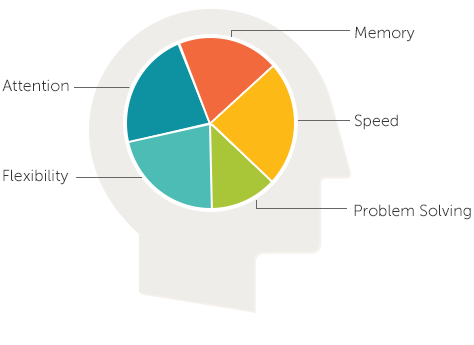
If you love brain games, you’ll have a wonderful time with Lumosity’s Personalized Training Program.
I always do!
Vikki

