Exposure To Forever Chemicals, And The Disturbing Health Issues Which Can Result From Them

There is no age-group specificity.

It doesn’t matter what brand of clothes we wear.

The stores we frequent are inconsequential.

The types of water and foods we consume are immaterial.

Forever Chemicals can be found practically everywhere, ergo we’ve been exposed to them in our everyday lives, and they can pose life-changing health difficulties, especially in children (mental health).

An earlier study about PFAS can be read from NYU Langone Health/NYU Grossman School of Medicine (2022), and a more recent one by the United States Environmental Protection Agency (2023).

Vikki

References

NYU Langone Health / NYU Grossman School of Medicine. (2022, July 26). Exposure to ‘forever chemicals’ costs US billions in health costs. ScienceDaily. Retrieved July 8, 2023 from http://www.sciencedaily.com/releases/2022/07/220726132528.htm

United States Environmental Protection Agency. (2023). Our Current Understanding Of The Human Health And Environmental Risks Of PFAS. Retrieved From https://www.epa.gov/pfas/our-current-understanding-human-health-and-environmental-risks-pfas
COVID-19, The Brain, Cognitive Impairment


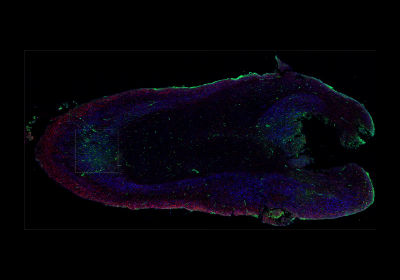
Is there a direct link to cognitive issues and COVID-19?  “COVID-19’s Effects On The Brain” (Zimmer, 2021) investigates what numerous patients are dealing with.


Vikki


Reference

Zimmer, K. (2021).  COVID-19’s Effects On The Brain. Retrieved From

COVID-19’s Effects on the Brain | The Scientist Magazine® (the-scientist.com)


Healthy and Unhealthy Gut Bacteria

Since the January 10, 2014 posting, Psych Central: “Antibodies in GI Tract Linked to Greater Risk for Bipolar Illness”, research on gut bacteria has increased exponentially regarding how good bacteria plays a positive role for the mind and body, and in particular cognitive difficulties that can manifest from unhealthy bacteria.  The following are links for additional literature concerning both kinds of bacteria:


Microbes Help Produce Serotonin in Gut (California Institute of Technology (Caltech.edu), April 9, 2015)

Immune system uses gut bacteria to control glucose metabolism (Science Daily, November 14, 2016)

Gut microbiome contributes to Parkinson’s, study suggests (MedicalNewsToday.com, December 2, 2016)

Likely Connection Between Obsessive-Compulsive Disorder and the Gut Microbiome (Psychiatry Advisor, May 17, 2016)

The Gastrointestinal Tract Microbiome and Potential Link to Alzheimer’s Disease (US National Library of Medicine, National Institutes of Health – Frontiers in Neurology, April 4, 2014)

The tantalizing links between gut microbes and the brain (Nature, International Weekly Journal of Science, October 16, 2015)


The following resource is a brief presentation by Dr. Samuel Hunter:

[VIDEO] “Gut Bacteria and Multiple Sclerosis”


Vikki